Click here to view our recommendations

Diabetic Foot Care and How to Protect Your Feet

Diabetic foot care involves daily practices to maintain healthy feet and prevent complications associated with diabetes, including infections, ulcers, and nerve damage. It is important because reduced sensation and poor circulation can make even minor injuries serious. Good daily foot care includes washing and thoroughly drying the feet, inspecting for cuts or sores, and trimming toenails carefully to avoid injury. Choosing the right footwear helps reduce pressure points and prevent blisters, while regular exercise stimulates blood flow to the feet and supports healing. A podiatrist can provide professional evaluations, recommend custom footwear or orthotics, and treat existing problems. If you have diabetes, it is strongly suggested that you are under the care of a podiatrist who can help you to manage this serious condition.

Diabetic foot care is important in preventing foot ailments such as ulcers. If you are suffering from diabetes or have any other concerns about your feet, contact Kinna Patel, DPM from Sava Podiatry & Wellness Centers. Our doctor can provide the care you need to keep you pain-free and on your feet.

Diabetic Foot Care

Diabetes affects millions of people every year. The condition can damage blood vessels in many parts of the body, especially the feet. Because of this, taking care of your feet is essential if you have diabetes, and having a podiatrist help monitor your foot health is highly recommended.

The Importance of Caring for Your Feet

  • Routinely inspect your feet for bruises or sores.
  • Wear socks that fit your feet comfortably.
  • Wear comfortable shoes that provide adequate support.

Patients with diabetes should have their doctor monitor their blood levels, as blood sugar levels play such a huge role in diabetic care. Monitoring these levels on a regular basis is highly advised.

It is always best to inform your healthcare professional of any concerns you may have regarding your feet, especially for diabetic patients. Early treatment and routine foot examinations are keys to maintaining proper health, especially because severe complications can arise if proper treatment is not applied.

If you have any questions, please feel free to contact our office located in Smyrna, GA . We offer the newest diagnostic and treatment technologies for all your foot care needs.

Read more about Diabetic Foot Conditions

Plantar Warts Can Be Treated!

Plantar warts are small growths that develop on parts of the feet that bear weight. They're typically found on the bottom of the foot. Don't live with plantar warts, and call us today!

Erythromelalgia and Painful Burning Feet

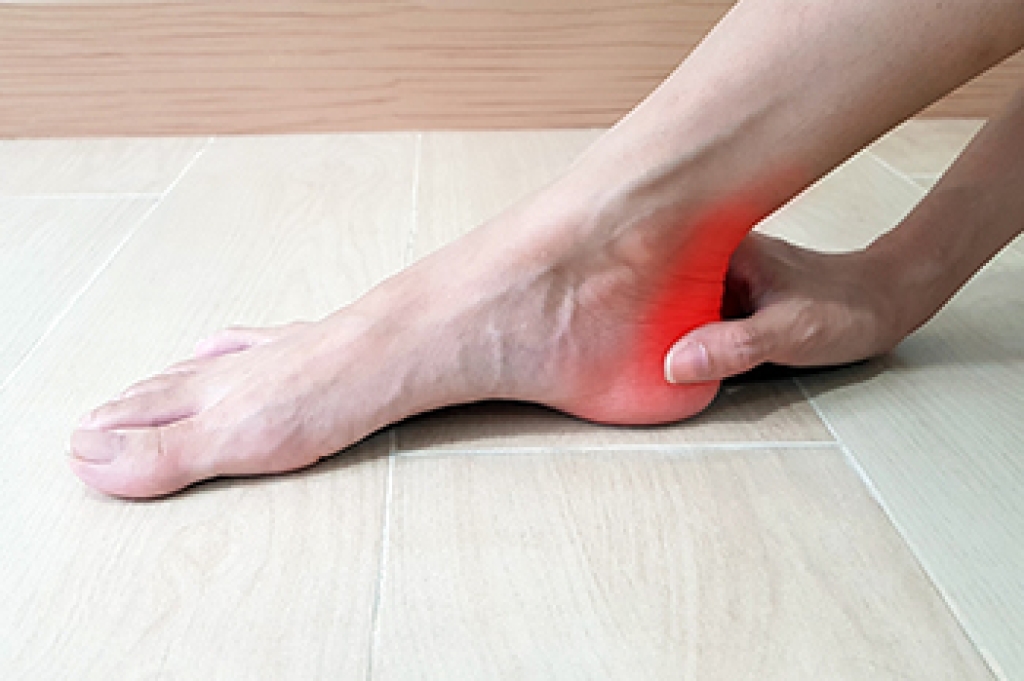
Erythromelalgia is a rare condition that affects blood flow and nerve function, often causing intense burning pain in the feet. Symptoms may include redness, warmth, swelling, and severe discomfort that worsens with heat, walking, or standing. Many people notice flare-ups at night or after activity, making sleep and daily movement difficult. The condition may occur on its own or be associated with nerve disorders, autoimmune disease, or blood-related conditions. Because symptoms can fluctuate, management focuses on identifying triggers and reducing flare intensity. Cooling strategies, activity pacing, and careful footwear selection may help, although excessive cold exposure should be avoided. Medications aimed at nerve pain or circulation issues are sometimes used as part of treatment. Early evaluation is important to rule out other causes of burning foot pain and guide care. If persistent burning, redness, or foot pain develops, it is suggested that you see a podiatrist for a proper diagnosis and appropriate treatment.

Some foot conditions may require additional professional care. If you have any concerns, contact Kinna Patel, DPM of Sava Podiatry & Wellness Centers. Our doctor can provide the care you need to keep you pain-free and on your feet.

Rare Foot Conditions

The majority of foot conditions are common and can be treated by a podiatrist.  Standard diagnostic procedures are generally used to identify specific conditions and treatment can be rendered. A podiatrist also treats rare foot conditions which can be difficult to diagnose and may need extra attention and care. 

There are many rare foot conditions that can affect children. Some of these can include:

  • Freiberg’s disease
  • Kohler’s disease
  • Maffucci syndrome

Freiberg’s disease - This can be seen as a deterioration and flattening of a metatarsal bone that exists in the ball of the foot. It typically affects pre-teen and teenage girls, but can affect anyone at any age. Symptoms that can accompany this can be swelling, stiffness, and the patient may limp. 

Kohler’s disease - This often targets the bone in the arch of the foot and affects younger boys. It can lead to an interruption of the blood supply which ultimately can lead to bone deterioration. The patient may limp or experience tenderness, swelling, and redness.

Maffucci syndrome - This affects the long bones in a child’s foot leading to the development of abnormal bone lesions. They are benign growths and typically develop in early childhood and the bones may be susceptible to breaking. 

A podiatrist can properly diagnose and treat all types of rare foot conditions. If your child is affected by any of these symptoms or conditions, please don’t hesitate to call our office so the correct treatment method can begin.

If you have any questions, please feel free to contact our office located in Smyrna, GA . We offer the newest diagnostic and treatment technologies for all your foot care needs.

Read more about Rare Foot Conditions

Keeping Your Feet Healthy While Standing All Day at Work

Standing all day at work can place significant stress on the feet and lead to soreness, fatigue, and increased foot perspiration. Prolonged standing in one position may reduce circulation and strain muscles and joints. Wearing proper shoes is essential for providing support, cushioning, and breathability to reduce discomfort and moisture buildup. Prevention also includes changing static positioning, shifting weight between feet frequently, and allowing muscles to stay active. These habits can help minimize pressure and improve overall foot comfort throughout the workday. When pain or persistent issues develop, a podiatrist can evaluate foot health, recommend supportive footwear, and create personalized treatment plans. If you experience foot pain during your work day, it is suggested that you consult a podiatrist who can guide you toward effective relief and treatment strategies.

While working on the feet, it is important to take the proper care of them. For more information about working on your feet, contact Kinna Patel, DPM from Sava Podiatry & Wellness Centers. Our doctor will treat your foot and ankle needs.

Working on Your Feet

Standing on your feet for long periods of time can cause stress and pain in your feet. Your whole body may experience change in terms of posture, back pain, bunions, callouses and or plantar warts. There are ways to avoid these conditions with proper foot care, smart choices and correct posture.

Positive Changes

Negative heeled shoe – Choosing this shoe type places the heel slightly lower than the ball of the foot. These are great for overall foot health. Find shoes that fit you correctly.

Go barefoot – Our feet were not designed to be enclosed for all hours of the day. Try to periodically expose your feet to air.

Eliminate Pain

Foot Exercises – Performing simple exercises, incorporating yoga and doing stretches are beneficial. This will allow increased blood flow to the area and muscles of the foot.

Achilles tendon – Stretching the foot out flat on the floor will relax the calf muscles and tendon. These exercises can be performed almost anywhere. Make sure you add these exercises to your daily regimen. 

With a little bit of this information and knowing more about foot health, you will notice changes. Foot stretches and proper footwear will help with pain and prevent further issues.

If you have any questions please contact our office located in Smyrna, GA . We offer the newest diagnostic and treatment technologies for all your foot and ankle needs.

Read more about How to Handle a Long Work Day on Your Feet

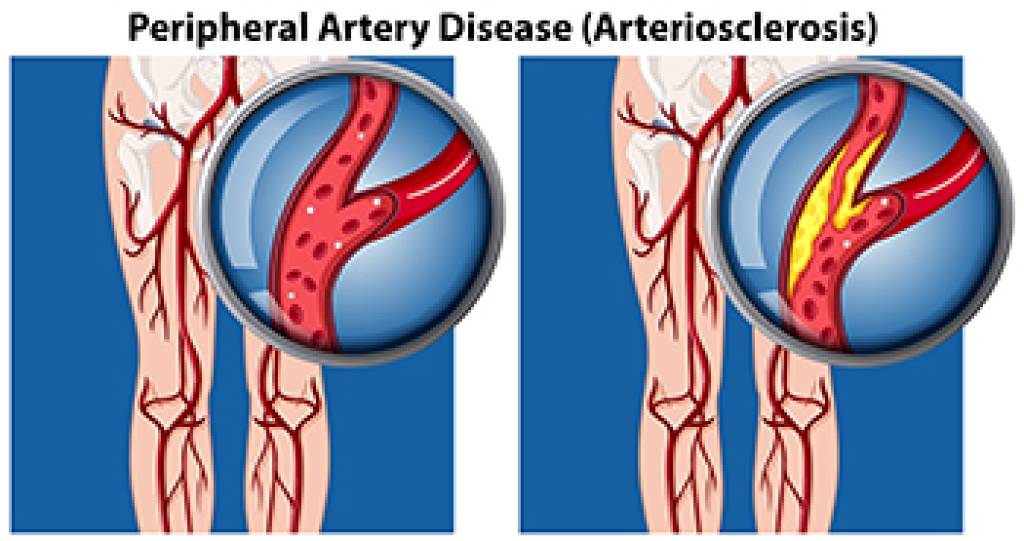
Recognizing Signs of Peripheral Artery Disease

Peripheral artery disease affects blood flow to the feet and legs. It can lead to serious complications if not identified early. Common signs include leg or foot pain when walking that improves with rest, as well as coldness in the feet and numbness or tingling. Slow-healing sores, changes in skin color, shiny skin, and hair loss on the lower legs may also be present. Because reduced circulation limits oxygen delivery to the extremities, even minor foot injuries can progress and increase infection risk. A podiatrist can recognize warning signs of periphery artery disease through a detailed foot exam, pulse assessment, and vascular testing. Coordinated care can protect skin health, manage wounds, and reduce complications. Early evaluation is important for people with diabetes, smoking history, or cardiovascular concerns. If you have symptoms of peripheral artery disease, it is suggested that you make an appointment with a podiatrist for an exam, diagnosis, and appropriate treatment.

Peripheral artery disease can pose a serious risk to your health. It can increase the risk of stroke and heart attack. If you have symptoms of peripheral artery disease, consult with Kinna Patel, DPM from Sava Podiatry & Wellness Centers. Our doctor will assess your condition and provide you with quality foot and ankle treatment.

Peripheral artery disease (PAD) is when arteries are constricted due to plaque (fatty deposits) build-up. This results in less blood flow to the legs and other extremities. The main cause of PAD is atherosclerosis, in which plaque builds up in the arteries.

Symptoms

Symptoms of PAD include:

  • Claudication (leg pain from walking)
  • Numbness in legs
  • Decrease in growth of leg hair and toenails
  • Paleness of the skin
  • Erectile dysfunction
  • Sores and wounds on legs and feet that won’t heal
  • Coldness in one leg

It is important to note that a majority of individuals never show any symptoms of PAD.

Diagnosis

While PAD occurs in the legs and arteries, Podiatrists can diagnose PAD. Podiatrists utilize a test called an ankle-brachial index (ABI). An ABI test compares blood pressure in your arm to you ankle to see if any abnormality occurs. Ultrasound and imaging devices may also be used.

Treatment

Fortunately, lifestyle changes such as maintaining a healthy diet, exercising, managing cholesterol and blood sugar levels, and quitting smoking, can all treat PAD. Medications that prevent clots from occurring can be prescribed. Finally, in some cases, surgery may be recommended.

If you have any questions, please feel free to contact our office located in Smyrna, GA . We offer the newest diagnostic and treatment technologies for all your foot care needs.

Read more about Peripheral Artery Disease

Your First Step to Getting Better

Don't suffer from your foot or ankle condition any longer!

We offer same day and next day appointments.

We treat: Foot, Ankle, and Knee Conditions.

Request an appointment and we will get back to you as soon as possible!

Invalid Input
Invalid Input
Invalid Input
Date of Birth / /
Invalid Input
Invalid Input
Invalid Input
Invalid Input
Invalid Input
Invalid Input
Invalid Input
Invalid Input
scroll-to-top