Click here to view our recommendations

Causes of Big Toe Joint Pain

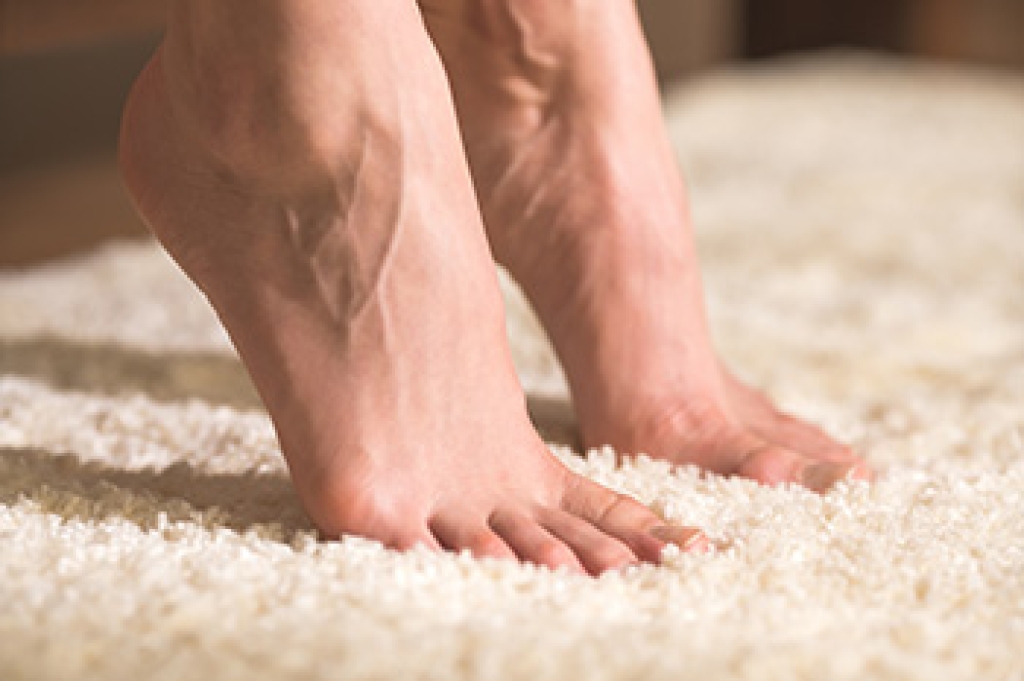
Big toe joint pain can develop from several conditions that affect movement and weight-bearing. One common cause of big toe joint pain is arthritis of the joint. This occurs when cartilage wears down and leads to stiffness, pain, and reduced motion over time. Bunions can also create big toe joint pain by shifting the toe out of alignment and forming a hard bump at the base. Sudden, intense big toe pain may be linked to gout, caused when crystals build up in the joint and cause swelling and redness. Pain under the toe can come from irritation of two small bones beneath the big toe joint due to repeated pressure. Injuries, such as a sprain from bending the toe too far backward, can also lead to ongoing discomfort. Nerve irritation may cause burning or tingling sensations. A podiatrist can examine the big toe joint, assess movement, and use imaging to identify the exact cause and guide treatment. If you have big toe joint pain, it is suggested that you make an appointment with a podiatrist.

Toe pain can disrupt your daily activities. If you have any concerns, contact Kinna Patel, DPM of Sava Podiatry & Wellness Centers. Our doctor can provide the care you need to keep you pain-free and on your feet.

What Causes Toe Pain?

Most severe toe pain is caused due to a sports injury, trauma from dropping something heavy on the toe, or bumping into something rigid. Other problems can develop over time for various reasons.

Toe pain can be caused by one or more ailments. The most common include:

  • Trauma
  • Sports injury
  • Wearing shoes that are too tight
  • Arthritis
  • Gout
  • Corns and calluses
  • Hammertoe
  • Bunions
  • Blisters
  • Ingrown toenails
  • Sprains
  • Fractures (broken bones)
  • Dislocations

When to See a Podiatrist

  • Severe pain
  • Persistent pain that lasts more than a week
  • Signs of infection
  • Continued swelling
  • Pain that prevents walking

Diagnosis

In many cases the cause of toe pain is obvious, but in others, a podiatrist may want to use more advanced methods to determine the problem. These can range from simple visual inspections and sensation tests to X-rays and MRI scans. Prior medical history, family medical history, and any recent physical traumatic events will all be taken into consideration for a proper diagnosis.

Treatment

Treatments for toe pain and injuries vary and may include shoe inserts, padding, taping, medicines, injections, and in some cases, surgery. If you believe that you have broken a toe, please see a podiatrist as soon as possible.

If you have any questions please contact our office located in Smyrna, GA . We offer the newest diagnostic and treatment technologies for all your foot and ankle needs.

Read more about Toe Pain

Heel Pain Can Be Treated!

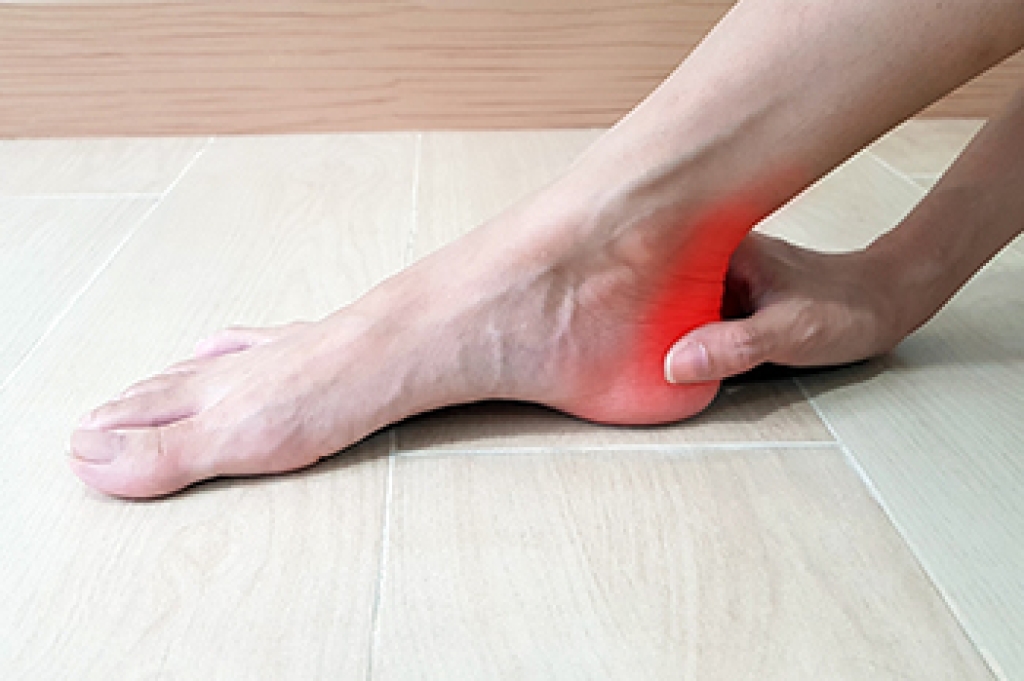
Do you suffer from heel pain when you get up in the morning? If so, you should seek professional help and have a proper diagnosis performed. Heel pain can be caused by several different foot-related conditions.

Why Your Ankle Keeps Giving Out

Chronic ankle instability develops when the outer side of the ankle repeatedly gives out, often after one or more ankle sprains that did not fully heal. The ligaments become stretched or weakened, making it harder for the joint to stay stable during movement. Other common causes include improper rehabilitation after a sprain, weak ankle muscles, and poor balance or coordination. Over time, this can lead to ongoing discomfort, swelling, and a higher risk of future sprains. Treatment usually begins with conservative care such as targeted exercises  to strengthen muscles and improve balance, bracing for added support, and activity modification. Anti-inflammatory measures may also help reduce pain and swelling. If symptoms persist despite these efforts, surgical options like ligament repair or reconstruction may be recommended to restore stability. If your ankle feels unstable or keeps rolling, it is suggested that you schedule a visit with a podiatrist to prevent further injury and regain confidence in your movement.

Ankle pain can be caused by a number of problems and may be potentially serious. If you have ankle pain, consult with Kinna Patel, DPM from Sava Podiatry & Wellness Centers. Our doctor will assess your condition and provide you with quality foot and ankle treatment.

Ankle pain is any condition that causes pain in the ankle. Due to the fact that the ankle consists of tendons, muscles, bones, and ligaments, ankle pain can come from a number of different conditions.

Causes

The most common causes of ankle pain include:

  • Types of arthritis (rheumatoid, osteoarthritis, and gout)
  • Ankle sprains
  • Broken ankles
  • Achilles tendonitis
  • Achilles tendon rupture
  • Stress fractures
  • Bursitis
  • Tarsal tunnel syndrome
  • Plantar fasciitis

Symptoms

Symptoms of ankle injury vary based upon the condition. Pain may include general pain and discomfort, swelling, aching, redness, bruising, burning or stabbing sensations, and/or loss of sensation.

Diagnosis

Due to the wide variety of potential causes of ankle pain, podiatrists will utilize a number of different methods to properly diagnose ankle pain. This can include asking for personal and family medical histories and of any recent injuries. Further diagnosis may include sensation tests, a physical examination, and potentially x-rays or other imaging tests.

Treatment

Just as the range of causes varies widely, so do treatments. Some more common treatments are rest, ice packs, keeping pressure off the foot, orthotics and braces, medication for inflammation and pain, and surgery.

If you have any questions please feel free to contact our office located in Smyrna, GA . We offer the newest diagnostic tools and technology to treat your foot and ankle needs.

Read more about Ankle Pain

Painful Blisters

Blisters on the feet are fluid- filled pockets that develop in response to friction, heat, or moisture. They are often the result of wearing ill-fitting shoes or increased activity. These areas may appear as raised, clear bubbles on the skin and can feel tender, especially when walking or wearing shoes. The surrounding skin may be red or irritated, and if the blister breaks, it can become painful and vulnerable to infection. People with diabetes should be especially cautious, as even small blisters can lead to more serious complications. A podiatrist can evaluate the cause of recurring blisters and help prevent them from returning. Treatment includes protecting the area, safely draining larger blisters when appropriate, and recommending proper footwear or padding to reduce friction. Guidance on foot hygiene and skin care can also support healing and prevention. If you have painful or recurring blisters on your feet, it is suggested that you schedule an appointment with a podiatrist for appropriate management solutions.

Blisters are prone to making everyday activities extremely uncomfortable. If your feet are hurting, contact Kinna Patel, DPM of Sava Podiatry & Wellness Centers. Our doctor can provide the care you need to keep you pain-free and on your feet.

Foot Blisters

Foot blisters develop as a result of constantly wearing tight or ill-fitting footwear. This happens due to the constant rubbing from the shoe, which can often lead to pain.

What Are Foot Blisters?

A foot blister is a small fluid-filled pocket that forms on the upper-most layer of the skin. Blisters are filled with clear fluid and can lead to blood drainage or pus if the area becomes infected.

How Do Blisters Form?

Blisters on the feet are often the result of constant friction of skin and material, usually by shoe rubbing. Walking in sandals, boots, or shoes that don’t fit properly for long periods of time can result in a blister. Having consistent foot moisture and humidity can easily lead to blister formation.

Prevention & Treatment

It is important to properly care for the affected area in order to prevent infection and ease the pain. Do not lance the blister and use a Band-Aid to provide pain relief. Also, be sure to keep your feet dry and wear proper fitting shoes. If you see blood or pus in a blister, seek assistance from a podiatrist.

If you have any questions, please feel free to contact our office located in Smyrna, GA . We offer the newest diagnostic and treatment technologies for all your foot care needs.

Read more about Blisters

Causes and Risk Factors of Workplace Falls

Workplace falls are a common source of injury, often caused by hazards such as unguarded edges, open holes, improper guardrails, slippery conditions, and improper use of ladders, all of which increase the risk of losing balance and sustaining harm. These incidents can lead to various types of foot injuries, including fractures, sprains, bruising, and soft tissue damage, which may affect mobility and daily function. The risk of falling increases in environments with poor safety practices, inadequate training, or lack of protective equipment. A podiatrist can evaluate injuries, provide treatment, and guide recovery through personalized care and prevention strategies. If you have sustained a workplace fall or have developed foot pain, it is suggested that you consult a podiatrist who can treat various foot conditions, and offer effective fall prevention tips.

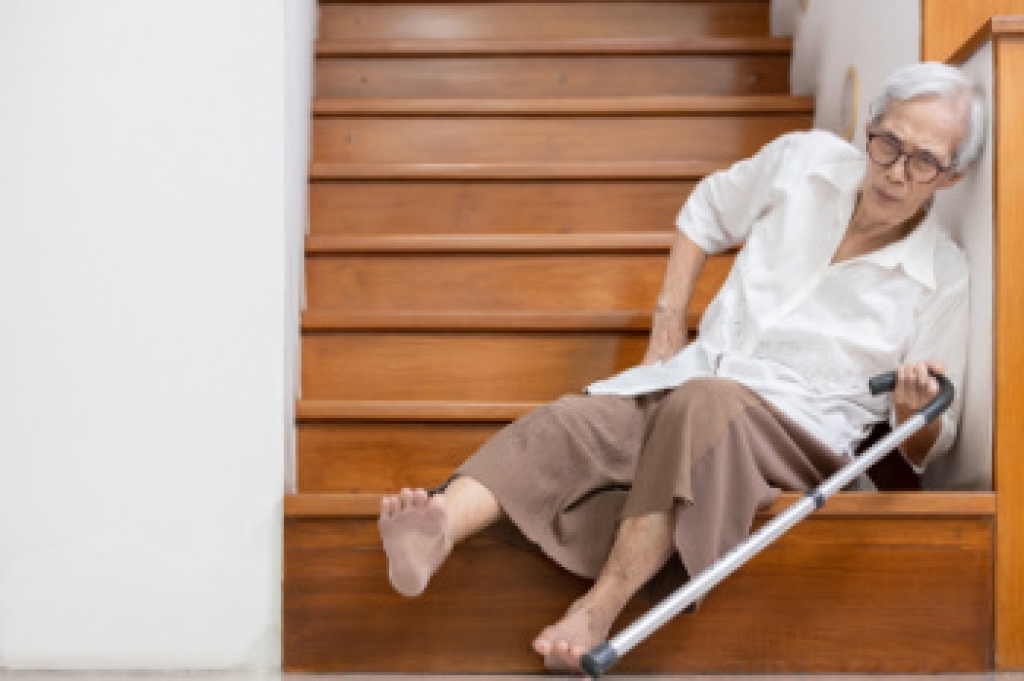
Preventing falls among the elderly is very important. If you are older and have fallen or fear that you are prone to falling, consult with Kinna Patel, DPM from Sava Podiatry & Wellness Centers. Our doctor will assess your condition and provide you with quality advice and care.

Every 11 seconds, an elderly American is being treated in an emergency room for a fall related injury. Falls are the leading cause of head and hip injuries for those 65 and older. Due to decreases in strength, balance, senses, and lack of awareness, elderly persons are very susceptible to falling. Thankfully, there are a number of things older persons can do to prevent falls.

How to Prevent Falls

Some effective methods that older persons can do to prevent falls include:

  • Enrolling in strength and balance exercise program to increase balance and strength
  • Periodically having your sight and hearing checked
  • Discuss any medications you have with a doctor to see if it increases the risk of falling
  • Clearing the house of falling hazards and installing devices like grab bars and railings
  • Utilizing a walker or cane
  • Wearing shoes that provide good support and cushioning
  • Talking to family members about falling and increasing awareness

Falling can be a traumatic and embarrassing experience for elderly persons; this can make them less willing to leave the house, and less willing to talk to someone about their fears of falling. Doing such things, however, will increase the likelihood of tripping or losing one’s balance. Knowing the causes of falling and how to prevent them is the best way to mitigate the risk of serious injury.  

If you have any questions, please feel free to contact our office located in Smyrna, GA . We offer the newest diagnostic and treatment technologies for all your foot care needs.

Read more about Falls Prevention

Your First Step to Getting Better

Don't suffer from your foot or ankle condition any longer!

We offer same day and next day appointments.

We treat: Foot, Ankle, and Knee Conditions.

Request an appointment and we will get back to you as soon as possible!

Invalid Input
Invalid Input
Invalid Input
Date of Birth / /
Invalid Input
Invalid Input
Invalid Input
Invalid Input
Invalid Input
Invalid Input
Invalid Input
Invalid Input
scroll-to-top